
The Restorative Benefits of Massage Therapy
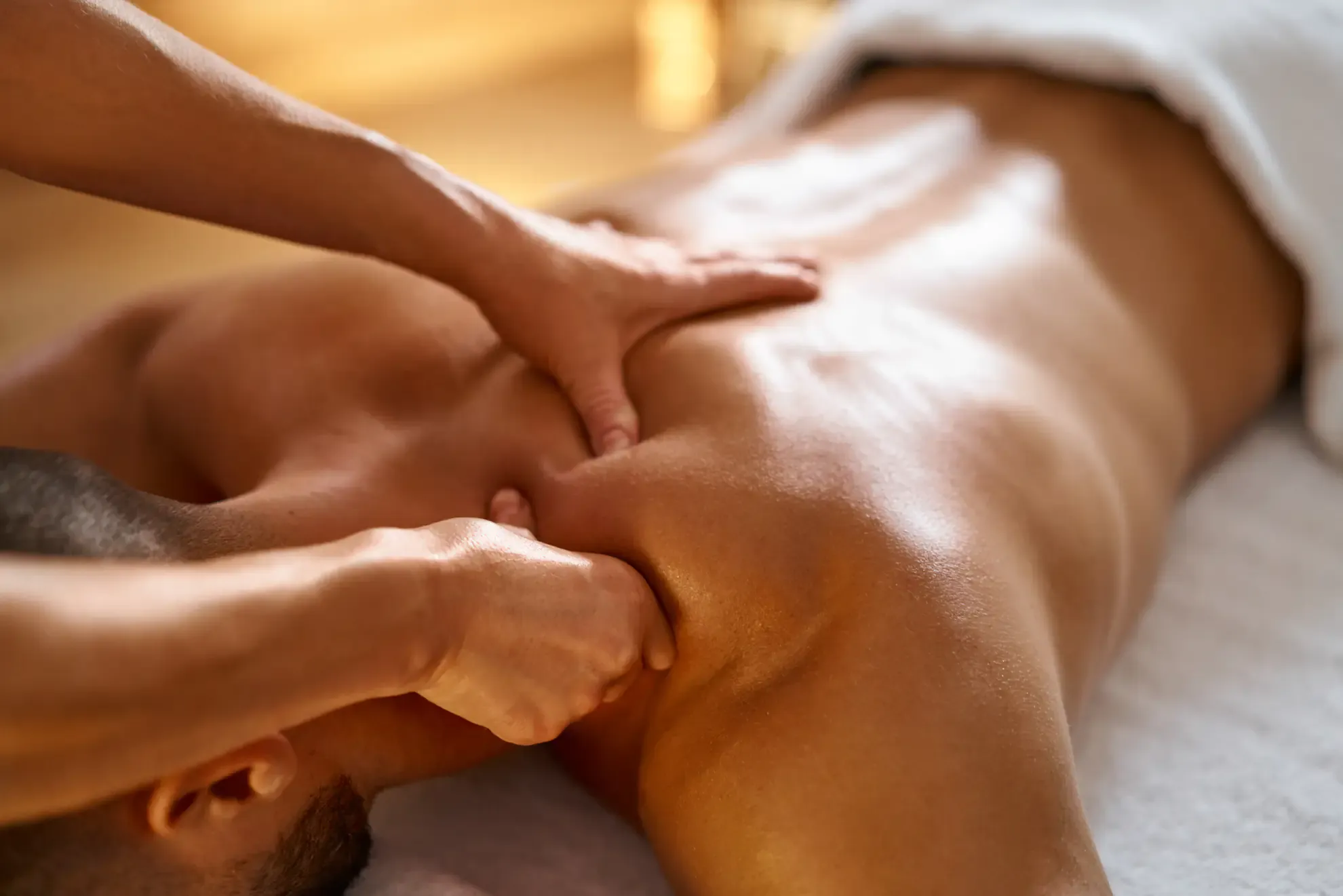
Why Your Body Gets "Stuck" (And How Massage Resets the System)
Ever wonder why your shoulders feel like they’re up by your ears after a long day? Whether you spend eight hours hunched over a keyboard or doing heavy manual labor, your body is constantly adapting.
Your muscles actually "learn" these positions. Over time, your body decides that a slump or a slouch is its new permanent home. Massage can be the tool that helps break that habit.
The Body’s Alarm System: Why You Feel Pain
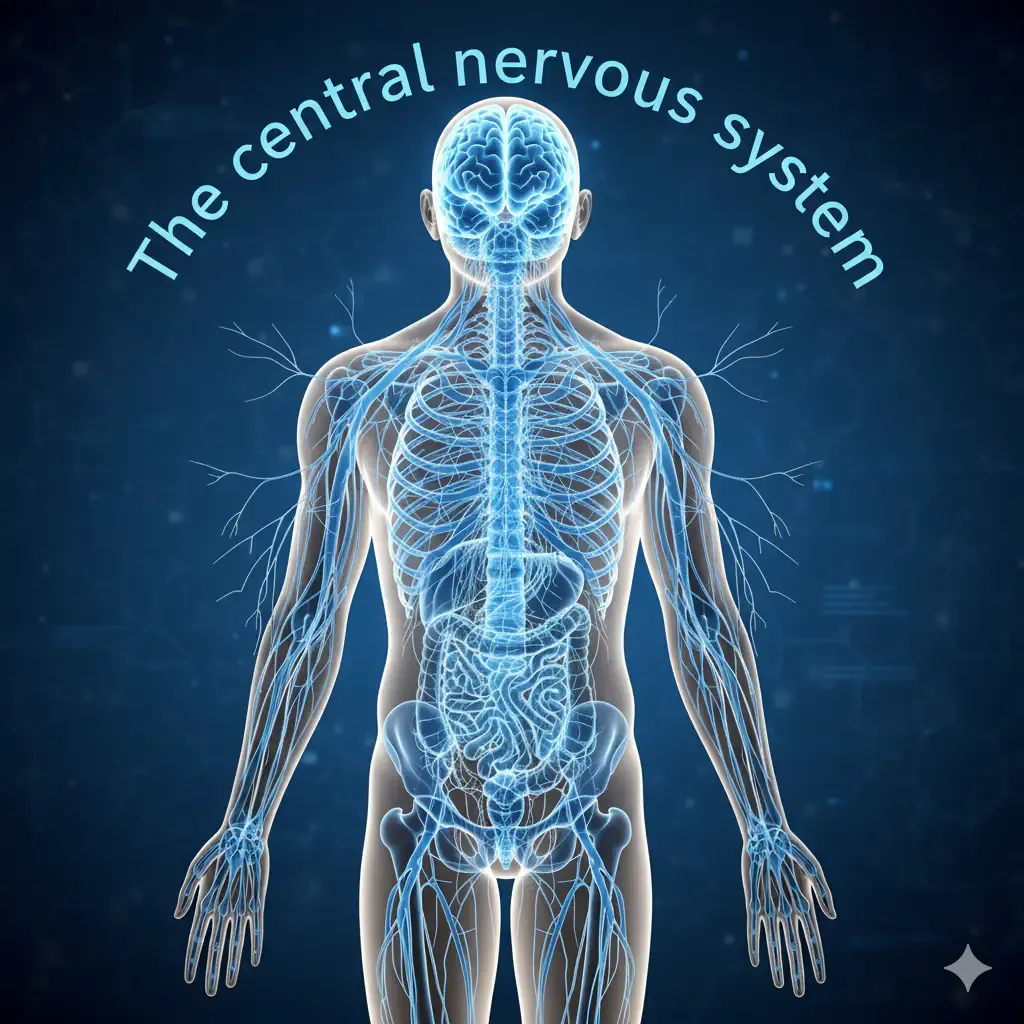
Your Central Nervous System (the brain and spine) is like a 24/7 security guard. When it detects that your neck or back has been strained for too long, it senses a threat. To keep you from actually snapping something, it sounds the alarm by sending pain signals to those muscles.
That "tight" feeling isn't just a physical knot; it’s an emergency response telling you to move out of your fixed position or repetitive movement and move toward a place of ease.
How Massage "Talks" to Your Brain
A massage therapist doesn't just rub away the pain; they interrupt those alarm signals. Think of it as a conversation between the therapist’s hands and your brain:
- Soothing the Alarm: Deep pressure tells your nervous system that the "emergency" is over. This allows your brain to stand down the troops and dial back the pain.
- The Neurological "Reboot": When a therapist applies pressure, special receptors in your muscles send a status update to the brain: "Hey, it’s actually safe to relax now." It’s like hitting the reset button on a lagging computer.
- Nature’s WD-40: Massage encourages your joints to produce synovial fluid. This lubricates your "mechanical" parts so you can move without that rusty creaking feeling.
- Better Blood Flow: By clearing out waste products like lactic acid and bringing in fresh oxygen, massage helps your muscles repair the micro-tears caused by daily stress.
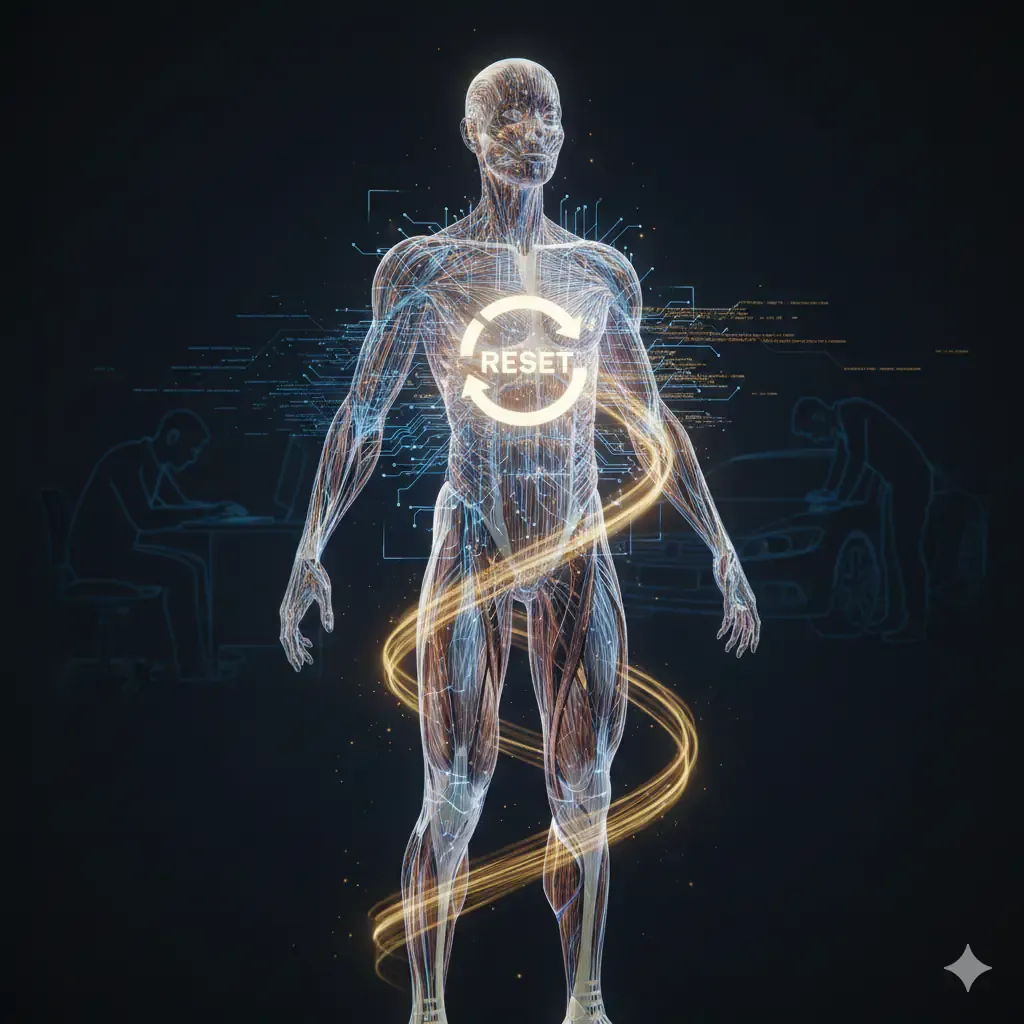
What to Expect After the "Reset"
Because massage flushes out toxins and forces muscles to change shape, you might feel a healing response for a day or two afterward:
- Muscle Soreness: It might feel like you did a big workout.
- Fatigue: Your body is working hard to repair itself.
- The Need for Water: Staying hydrated helps your kidneys flush out toxins released during the massage.
How to Make the Benefits Stick
Massage creates the "space" for you to feel better, but you have the power to keep that feeling going. Think of it as updating your body's software:
- Move Regularly: Take micro-breaks during the day to change your position.
- Check Your Posture: Consciously remind yourself to sit or stand taller.
- Strengthen the Weak Spots: Use simple exercises to support the muscles that get overstretched when you slouch.
Summary of Massage Benefits
| Physical Fixes | Mental & Immune Support |
|---|---|
| Breaks up painful knots | Lowers stress hormones (Cortisol) |
| Reduces inflammation | Boosts "Killer T-Cells" to fight viruses |
| Improves flexibility | Helps you sleep more deeply and longer |
| Relieves tension headaches | Reduces anxiety and depression |
The Bottom Line
Massage isn't just "pampering." It’s a way to tell your nervous system to stop overreacting to daily stress. By calming the "alarm" in your brain and physically loosening your muscles, it gives your body the chance to heal and move freely again.